
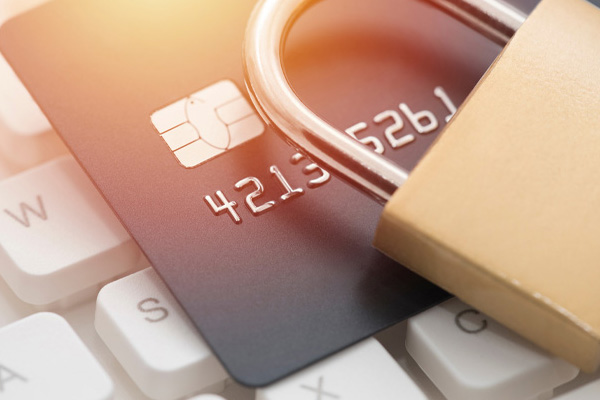
Identify, report, recover and protect.
Fraud prevention is built right into our tools, services and our online/mobile banking experiences.
For a comprehensive look into all that Dacotah Bank provides in fraud protection, assistance and education, pick up a Fraud Awareness Guide at any Dacotah Bank or click below for a digital copy.
This guide provides education on preventing common online and email scams, elder abuse and identity theft. It also outlines the multitude of security measures Dacotah Bank is using to protect your confidential, personal and financial information.
Safe and secure banking is our focus.

Identity theft and fraud are rapidly on the rise. Our dedicated Risk and Fraud Team is working on your behalf so you can bank with ease. Behind the scenes, Dacotah Bank has in place many fraud-preventative features.
- Text Alerts
- EMV Chip Card
- Duplicate Detection
- Risk and Fraud Analytics for online banking
- Positive Pay for business customers
Have questions or need to report suspicious activity?

Never give out your...
User ID, passwords, debit or credit card number, PIN, social security number, or passcodes.
The American Banker Association' s "Banks Never Ask That" website is a great resource for bank fraud protection, education and prevention.
Fraud Defender
A subscription offering identity theft protection 24/7
The Dacotah Bank Fraud Defender Program offers a range of benefits to protect your identity for a low monthly cost. These benefits include a dedicated recovery advocate responsible for monitoring your credit, managing identity recovery, expense reimbursement, and replacing lost documents. Enroll with a valid form of payment and an email address today.
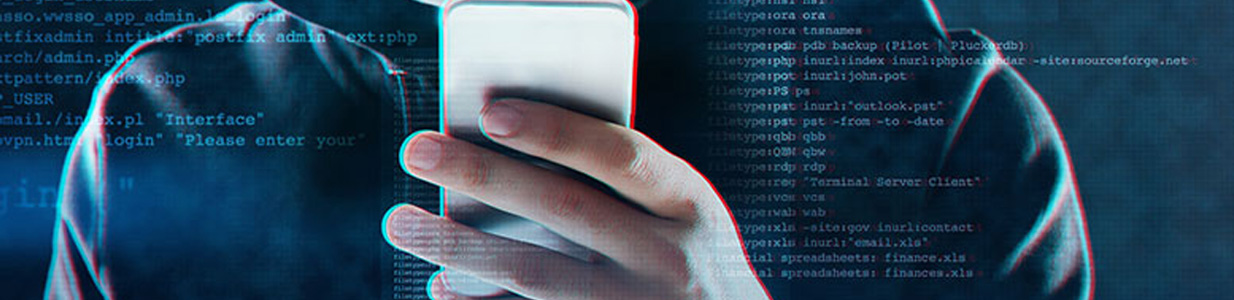
Identify the red flags.
Recognize suspicious phone calls, text messages, and emails. Report Suspicious Activity
-
Online Scams

Protect Yourself from Online Scams
Many people store a wealth of information on their personal computers, including financial information. This makes your computer a target and the common access point is the internet. Protect your data and confidential information by following the steps below.
- Keep your computers up to date and secure the internet connection.
- Make your passwords long, strong and unique. Know who has access to your devices.
- Set your browser security high, use a pop-up blocker and use caution installing software.
- Back up your data regularly and use virus protection on all devices.
- Wipe your computer or mobile device before you donate, sell or trade it.
- Utilize local computer technicians versus those found online.
-
Phone Scams
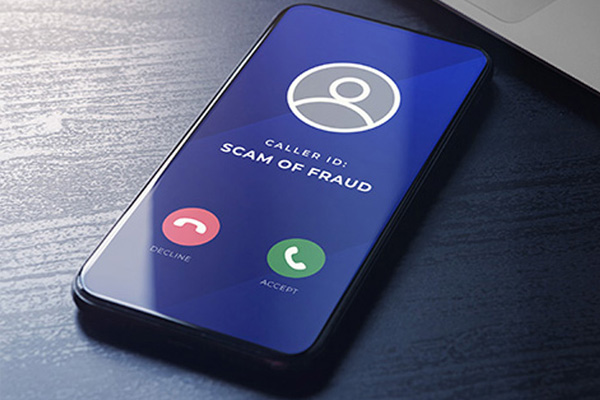
Imposters may spoof Dacotah Bank's phone numbers, or claim to be an employee, to obtain access to your confidential information.
Protect yourself from Phone Scams
Phone calls requesting confidential financial information are scams. Dacotah Bank will never contact you requesting your personal information. This information is already available to Dacotah Bank. Never send cash, checks, or gift cards to companies or individuals you haven’t personally met. A legitimate business will never request payment by gift card. Scammers can make incoming phone numbers appear as though they are calls from Dacotah Bank, the IRS, local police, etc. This tactic is referred to as spoofing. If you receive an unexpected call and think the caller is being dishonest, hang up and call the phone number you know is genuine.
Ask yourself these questions:
- Who is calling, and why?
- What is the hurry? Urgency is a scammer's specialty.
- If it is free, why are they asking me to pay?
- Why am I confirming my account information, or giving it out?
Scammers may also send text messages to trick you into revealing confidential information. This tactic is referred to as smishing. Do not provide personal confidential information until you have verified the sender. Never respond to these text messages. Do not call the numbers they provide or click on links they send.
Protect your mobile device from scams:
- Keep mobile devices and apps up to date, and use caution when downloading apps.
- Use the passcode lock setting on your mobile device, and log out completely when you are finished with a mobile banking session.
- Know who has access to your devices and what activities they are engaged in.
- Avoid storing sensitive information, and be aware of shoulder surfers.
- Contact the bank immediately if you change your phone number, and wipe your device before you donate, sell or trade it.
- Beware of mobile phishing.
- Avoid public Wi-Fi when accessing sensitive information, like your bank accounts.
-
Email Scams

Protect Yourself from Email Scams
Phishing emails are sent to trick you into downloading malware or providing confidential information to scammers. Do not open attachments unless you are certain of the sender and purpose of the attachment. Hover over links within messages to verify where you are being directed. Do not unsubscribe from spam emails. Deleting the email is safer than dealing with the security risks. Always check the “From” field for incoming emails to ensure the “From” email address is accurate. Phishing emails often contain bad grammar and misspelled words.
When in doubt, delete the message. Do not click on any links or open attachments unless you trust the source.
To opt out of receiving unsolicited commercial emails from national companies, visit www.dmachoice.org.
Business Email Compromise
Be aware of scammers posing as businesses by stealing their logos and website design information to make their emails appear legitimate.
To report identity theft or fraud visit the Federal Trade Commission site.
ftc.govLost or Stolen Card?
If your Dacotah Bank credit card or debit card has been lost or stolen, please call the appropriate number below.
Dacotah Bank Credit Card
(800) 558-3424
Dacotah Bank Visa Debit Card
(800) 881-5611 M-F 7:30 AM to 7 PM CST, and SAT 9 AM to 1 PM CST
(800) 554-8969 – After Hours
Prior to your debit or credit card expiration date, a new card will be mailed to you. If a replacement card is not received before the expiration date listed on your current card, call the Dacotah Bank Service Center at 800-881-5611.

Common Scam Scenerios
Education is key. Don't fall for fake.
-
Fake Check Scams
With initial contact made in online classifieds or marketplaces, an authentic-looking (but fake) check is sent to a consumer with directions to deposit it in their personal accounts and wire a portion of the proceeds to a third party. The scam artists get cash in hand, but the victim is left owing their bank money. Be cautious of requests asking for additional money for things like shipping, overpayment, etc.
Anyone asking you to deposit a check and wire the proceeds to someone you don't know is scamming you.
-
Internet Merchandise Scams
These bogus websites appear to sell everything from fake pharmaceuticals to electronics to counterfeit brand-name clothing, but the merchandise you buy never arrives or is completely different than what you ordered. Auction sites can also be fronts for suspicious activity.
If it seems too good to be true, it is!
-
Bogus Prizes, Sweepstakes & "Free" Gifts
Lottery winnings, sweepstakes, free vacations and cars are offered but... you have to pay upfront to cover things like "taxes" or "fees". In reality, there is no prize or winnings.
If someone wants you to pay in order to collect winnings, it's a scam.
-
Advance Fee Loans, Credit Arrangers
Loans or credit are offered in exchange for an upfront fee. If the consumer pays, the loan never materializes, and the consumer loses his/her "fee".
Any reputable lender will want to know your credit history before offering a loan.
-
Phishing / Spoofing
A phishing email or text messages, allegedly from a business or organization you know or trust, often includes a link or attachment which, when opened, installs malware or directs you to a look-alike website where personal information is requested.
-
Relationship / Dating Scams
You meet someone special on a dating website. Soon they want to move off the dating site to email or phone calls. They say they love you but live far away due to work or because they are in the military. They ask for money. They might say it's for a plane ticket to visit you, an emergency surgery or other urgent incident.
Scammers, both male and female, make fake dating profiles, often using stolen photos of other people.
Their goal? They want to pressure you to send money before you have time to think.
Never send money to an online love interest.
What were the top scams in 2023?
Learn MoreReport Suspicious Activity.
Suspicious Account Activity

Account Abuse
Please take precautionary measures to ensure the safety of your account. Regularly review your bank statements and online banking activity for any signs of suspicious behavior. Do not share your online banking credentials with anyone. Stay informed and educated for your own security.
Sign up for free account alerts and report any unauthorized transactions to Dacotah Bank's Risk Management Department at (800) 881-5611.
Guard Against Financial Abuse

Elder Abuse
It is important to be cautious and take steps to protect yourself from financial abuse. Delegate a trustworthy person as your agent, understand the terms of a Power of Attorney, check references before hiring someone, and consult with professionals before signing any documents.
For more information visit your states protective service sites.
Payment App Fraud
App Abuse
Scams using payment apps such as Cash App, PayPal, Venmo, or Zelle®, are growing more prevalent as those platforms become increasingly popular. Once you’re hooked, it only takes seconds for a scammer to access your hard-earned cash.
- Be wary of texts or calls about payment apps
- Raise the alarm on urgent payment requests
- Only use to pay family and people you know
- Avoid unusual payment methods
Reporting Fraud - Resources
- IRS Identity Theft Hotline – 1-800-908-4490
- Equifax Fraud Assistance Service Center – 1-888-766-0008
- Experian – 1-888-397-3742
- TransUnion – 1-800-680-7289
- Annual Credit Report – 1-877-322-8228 or annualcreditreport.com
- Social Security Administration – 1-800-772-1213
- Federal Trade Commission – 1-877-438-4338 or www.ftc.gov (Report ID theft)
- Identity Theft Resource Center – 1-888-400-5530 or www.idtheft.org
- Internet Crime Complaint Center – www.IC3.gov (Report scams)
- AARP Fraud Watch Helpline – 1-877-908-3360
- National Fraud Information Center – www.fraud.org
- Anti-Phishing Work Group – www.antiphishing.org